



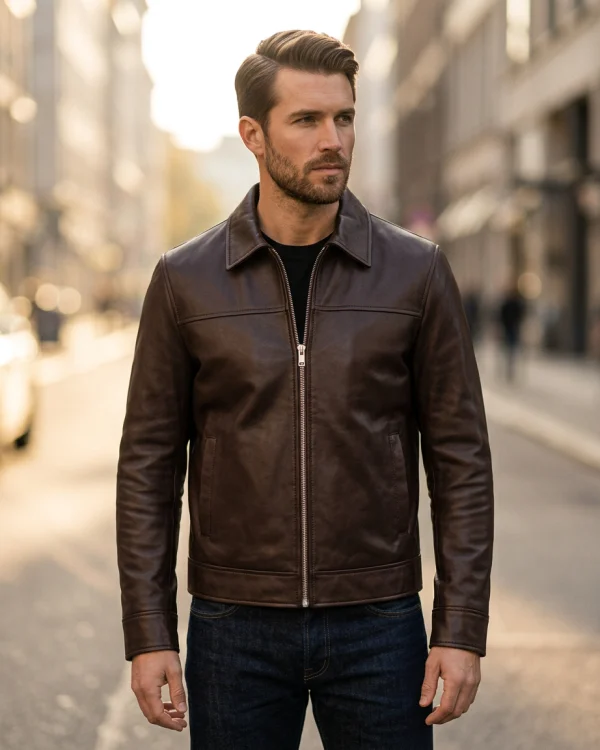
How to Fix Scratches on Leather: Jackets, Bags and Wallets
Quick answer: How to fix scratches on leather depends on their depth. Light surface scratches on natural leather usually disappear by rubbing them firmly with a clean fingertip or soft cloth. Deeper scratches need a small amount of leather conditioner or balm worked in and buffed, and scuffs that removed color need a matching leather cream. Cuts through the surface need a professional repair.
Every leather piece that gets used will pick up scratches: a jacket brushing a wall, a bag against a car door, a wallet against keys. The good news is that most of them are fixable at home in a few minutes.
In our Karachi workshop, we handle scuffs on leather every day, from marks made on the cutting table to the natural wear of finished pieces. This guide explains how to fix scratches on leather jackets, bags and wallets step by step, and when to stop and get help.
First, Identify the Leather and the Scratch
The right fix depends on two things: what kind of leather you have, and how deep the mark is.
Leather type
- Aniline, pull-up and crazy horse leather: Lightly finished leathers with oils and waxes in the hide. Scratches often lighten in color but can be massaged back. These are the easiest to fix.
- Semi-aniline and smooth finished leather: Has a light protective coat. Light scratches buff out; deeper ones may need cream.
- Pigmented and textured leather (pebbled, saffiano): Has a color coating. Very scratch resistant, but when the coating is scuffed, it needs color to fix.
- Suede and nubuck: Do not use conditioners or creams. Use a suede brush and eraser instead.
Scratch depth
| Type of damage | How it looks | Fix |
|---|---|---|
| Surface scratch | Light line, no roughness | Fingertip rub or soft cloth buff |
| Deeper scratch | Visible line, slightly rough to the touch | Conditioner or balm, then buff |
| Scuff with color loss | Lighter patch, finish worn away | Color-matched leather cream |
| Cut or gouge | Leather fibers lifted or split | Leather filler or professional repair |
How to Fix Scratches on Leather: Step by Step
Always test any product on a hidden area first, such as inside a jacket hem or under a bag flap, and let it dry before judging the result.
Knowing how to fix scratches on leather is mostly about patience: start with the gentlest method and only move to the next step if the mark is still there.
Step 1: Clean the area
Wipe the scratch with a dry, lint-free cloth to remove dust. If there is grime, use a slightly damp cloth, then let the leather dry completely. Rubbing dirt into a scratch makes it worse.
Step 2: Rub out light scratches
For light marks, press a clean fingertip on the scratch and rub in small circles for 30 to 60 seconds. The warmth and natural oils from your skin redistribute the oils and waxes in the leather and push the fibers back into place.
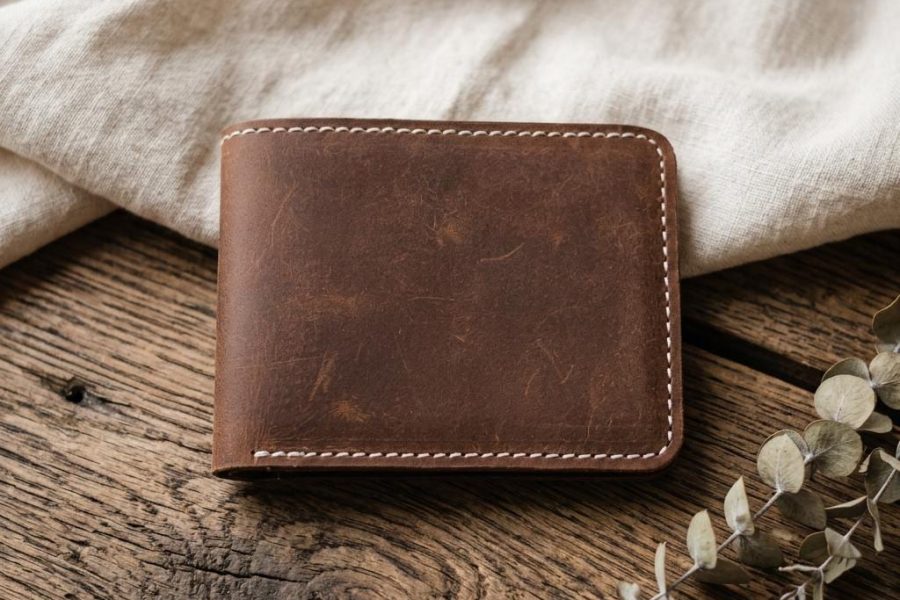
This works especially well on crazy horse and pull-up leather. On a piece like our distressed brown crazy horse leather bifold wallet, most scratches fade with a quick rub. Learn why in our article on crazy horse leather.
Step 3: Use gentle heat (optional, carefully)
For pull-up leather, a little warmth helps the waxes flow. Use a hair dryer on a low setting, held about 8 inches away, for a few seconds at a time, then rub with your finger. Never overheat leather; it can dry out, shrink or darken permanently. Skip this step on pigmented or pale leathers.
Step 4: Condition deeper scratches
If the scratch is still visible, apply a pea-sized amount of leather conditioner or balm to a soft cloth. Work it into the scratch in small circles, extending slightly beyond it so there is no visible edge. Let it absorb for 15 to 30 minutes, then buff with a clean cloth.
Conditioner may darken the area at first. On most natural leathers it evens out as it absorbs, which is why testing matters.
Step 5: Restore color on scuffs
If the finish has been worn away, use a leather cream or recoloring balm that matches the leather. Apply thin layers with a cloth or sponge, let each layer dry, and build up gradually. Thin layers look natural; one thick layer looks painted.
Step 6: Deal with cuts and gouges
If the fibers are lifted, trim loose strands with small scissors, then smooth a thin layer of leather glue or filler into the gap, let it dry, and color over it. For anything larger than a small nick, or on an expensive jacket, a leather repair specialist will get a cleaner result.
Fixing Scratches on Leather Jackets
Jackets get scratched on sleeves, cuffs and the front panels. Work along the panel, not just on the scratch, so the treated area blends in. Pay attention to the seams; do not let conditioner pool in the stitching.
Distressed and vintage-style jackets, such as our men’s brown leather tactical jacket, are designed to show some wear, so light scratches often add to the character. On black jackets, a neutral or black cream hides scuffs best. You can see how these finishes look in our men’s leather jackets collection, and read how creases and patina develop in how to break in a leather jacket.
Fixing Scratches on Leather Bags
Bags pick up marks on corners, the base and the front panel. Corners and bases often lose color first because they rub on floors and tables.
- On distressed leather like a distressed leather rucksack or tan crazy horse leather briefcase, fingertip rubbing and a little balm usually do the job.
- On pebbled leather, the textured grain hides most scratches. Clean, then use a color cream only on worn edges.
- Keep hardware covered or wipe it clean afterwards; conditioner can leave residue on metal.
Fixing Scratches on Leather Wallets
Wallets live in pockets with keys and coins, so they scratch the most. The good news is that small daily scratches on a natural leather wallet usually polish out with handling alone.
For textured leathers like saffiano, such as our dark brown saffiano leather bifold wallet, the cross-hatched coating resists scratching. If the coating does wear at the fold, a matching cream applied lightly restores it. Browse more in our wallets and card holders collection.
What Not to Do
- Do not use olive oil, coconut oil or petroleum jelly; they can go rancid, darken unevenly or rot stitching.
- Do not use household cleaners, alcohol wipes or baby wipes; they strip the finish.
- Do not apply shoe polish to bags or jackets; it can rub off onto clothes.
- Do not overheat leather with a hair dryer or heater.
Preventing Scratches in the First Place
- Keep keys and coins in a separate pocket from your wallet.
- Store bags in dust bags, not stacked on top of each other.
- Condition leather regularly; supple leather resists scratches better than dry leather.
For a full routine, read our guide on how to care for leather.
Frequently Asked Questions
Can I learn how to fix scratches on leather at home?
Yes, for most surface scratches and scuffs. Deep cuts, tears or large areas of color loss are better handled by a professional leather repairer.
Does Vaseline fix scratches on leather?
It may hide a mark temporarily, but it is not designed for leather and can leave a greasy, uneven finish. A proper leather conditioner or balm is safer.
Why does my leather scratch so easily?
Natural, lightly finished leathers like crazy horse and pull-up are soft and show marks quickly, but those marks also rub out easily and become part of the patina.
Should I fix scratches on distressed leather?
Only if they bother you. Distressed leather is meant to collect marks, and many owners prefer the worn-in look. A fingertip rub softens anything too bright.
Now you know how to fix scratches on leather, explore our handmade leather jackets, bags and wallets, made in leathers that age beautifully and are easy to care for.

Comments