


How to Care for Leather: The Complete Guide for Jackets, Bags and Wallets
If you have ever wondered how to care for leather so it lasts for decades instead of a few seasons, the good news is that it takes far less effort than most people think. Real leather is a natural material, and like skin, it needs to stay clean, stay moisturized and breathe. Give it those three things and it rewards you with a richer color and a softer feel every year.
In this guide
- Why Knowing How to Care for Leather Matters
- Cleaning and Conditioning: The Core Routine
- Storage and Water Stains: Protecting Leather Between Uses
- Care by Item: Jackets, Bags and Wallets
- Leather Care FAQs
- Shop Leather Bags Made to Last
Why Knowing How to Care for Leather Matters
Leather is made of tightly woven collagen fibers. When it dries out, those fibers lose their natural oils, grow stiff and eventually crack, usually at the points that flex the most, like jacket elbows, bag handles and wallet folds.
Dirt and body oil cause problems too. Grit works into the surface like fine sandpaper, while sweat and skin oil can darken the leather unevenly over time. A little routine care prevents almost all of this.
There is also a payoff beyond durability. Full-grain and vegetable-tanned leathers develop a patina, the deep, lived-in glow that makes a well-loved bag look better at year ten than at year one. Good care helps that patina form evenly instead of as blotches and stains.
Cleaning and Conditioning: The Core Routine
Almost every leather item follows the same basic rhythm: dust, clean when needed, condition occasionally. Here is the routine we recommend for smooth leather.
Step 1: Dust and Wipe
Every few weeks, wipe the surface with a soft, dry microfiber cloth or a horsehair brush. This removes the grit that scratches and dulls the finish. It takes thirty seconds and does more good than any product.
Step 2: Clean Gently
When an item looks grimy, use a cleaner made specifically for leather, or a small amount of saddle soap, which is a traditional mild cleaner for leather goods. Apply it with a barely damp cloth, work in small circles, then wipe away any residue with a clean cloth.
Avoid household cleaners, baby wipes, dish soap, alcohol and anything containing bleach or ammonia. These strip the natural oils and can lift the dye.
Step 3: Condition Lightly
Once the leather is clean and fully dry, apply a thin layer of quality leather conditioner with a soft cloth. Let it absorb for at least an hour, then buff off the excess. For most items, conditioning a few times a year is plenty; leather in a dry climate or in heavy daily use may want it a little more often.
- Always test a new product on a hidden spot first, since some conditioners darken leather slightly.
- Less is more. Too much conditioner leaves a sticky surface that attracts dirt.
- Suede and nubuck are different: skip creams and use a suede brush and eraser instead.
Storage and Water Stains: Protecting Leather Between Uses
How you store leather matters as much as how you clean it. A few simple habits go a long way.
- Let it breathe. Store items in a cotton dust bag or pillowcase, never in a sealed plastic bag, which traps moisture and can encourage mold.
- Keep it cool and dry. Avoid hot attics, damp basements and spots next to radiators.
- Stay out of direct sun. Sunlight fades color and dries the surface over time.
- Keep the shape. Stuff bags lightly with acid-free tissue paper and hang jackets on wide, padded hangers.
How to Handle Water Stains
Rain happens. If your leather gets wet, blot it gently with a soft towel; do not rub. Then let it air dry at room temperature, away from hair dryers, heaters and direct sun. Heat is the real enemy here, because fast drying makes leather shrink and stiffen.
If a water spot leaves a ring, lightly dampen the whole panel with a clean, damp cloth, blending from the stain outward to the seams. This helps the leather dry to one even tone. Once dry, follow with a light coat of conditioner.
Winter salt can leave white lines on leather. A cloth lightly dampened with a mild mix of water and a little white vinegar usually lifts them; wipe with plain water afterward and condition once dry.
Care by Item: Jackets, Bags and Wallets
The basics never change, but each item has its own weak spots. Here is how to care for leather pieces you use every day.
Leather Jackets
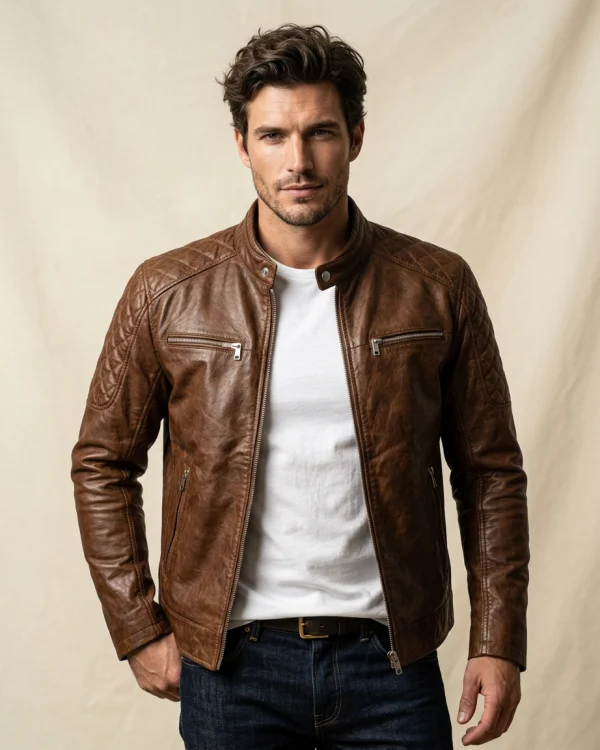
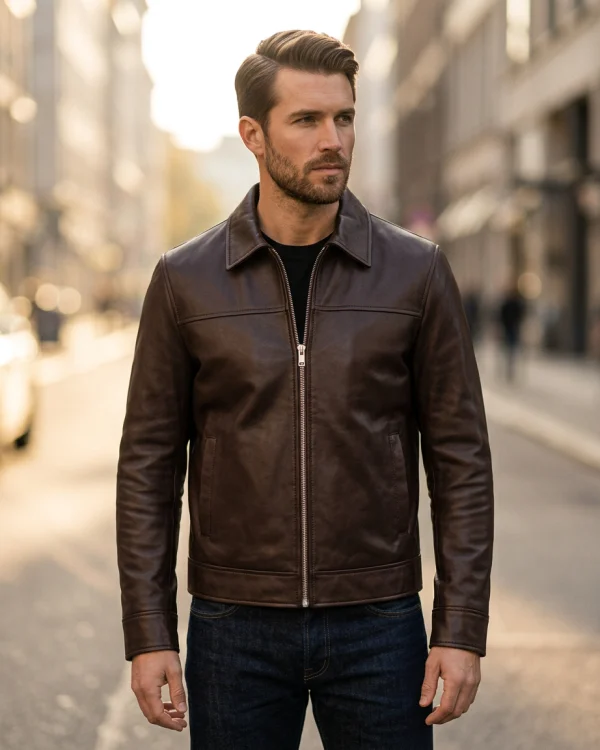
Hang your jacket on a broad, padded hanger so the shoulders keep their shape, and give it room in the closet to breathe. Focus conditioning on the collar, cuffs and elbows, where the leather flexes most and picks up the most skin oil. Never put a leather jacket in the washing machine or dryer. If you are still shopping for one, our guide on how to choose a leather jacket walks through fit, cut and leather types.
Leather Bags
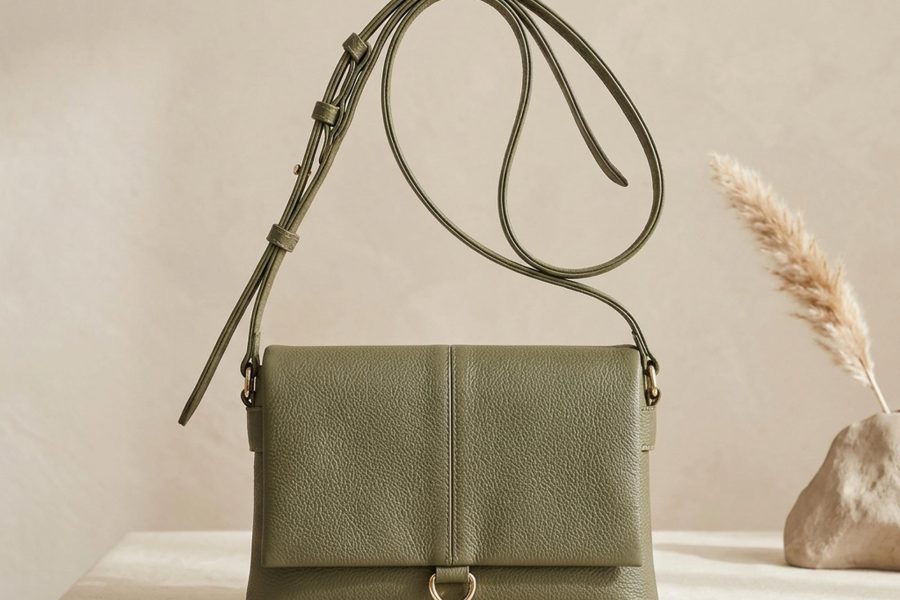
Bags carry weight, so handles and straps take the most stress. Empty heavy items before storing, stuff the bag to hold its shape, and wipe the handles regularly since hands transfer oil. Pens and makeup cause the most interior damage, so keep them in a pouch. Browse our handcrafted leather bags if you are looking for a piece that will age beautifully.
Leather Wallets
Wallets live in warm pockets and get handled constantly, which naturally builds patina. The most common mistake is overstuffing, which stretches the leather and strains the stitching. Clear out old receipts regularly, and condition the fold lightly a couple of times a year. Our leather wallets and card holders are made to be carried every day.
Leather Care FAQs
How often should I condition leather?
For most jackets, bags and wallets, a few times a year is enough. Condition more often if the leather looks dry, feels stiff or lives in a very dry or sunny climate.
Can I use coconut oil or olive oil on leather?
We do not recommend it. Kitchen oils can darken leather unevenly and may turn rancid over time. A conditioner formulated for leather is the safer choice.
What is the best way to learn how to care for leather on a new item?
Start simple: dust it regularly, keep it dry, and condition only when it starts to look thirsty. Always spot-test products first. Knowing how to care for leather is mostly about consistency, not expensive products.
Is it safe to wear leather in the rain?
A light shower will not ruin good leather. Blot it dry, let it air dry naturally and condition it afterward. Avoid soaking it whenever you can.
Shop Leather Bags Made to Last
Now that you know how to care for leather, choose pieces worth caring for. Our handcrafted genuine leather bags are made by skilled artisans in Pakistan and designed to develop character with every year of use.
-
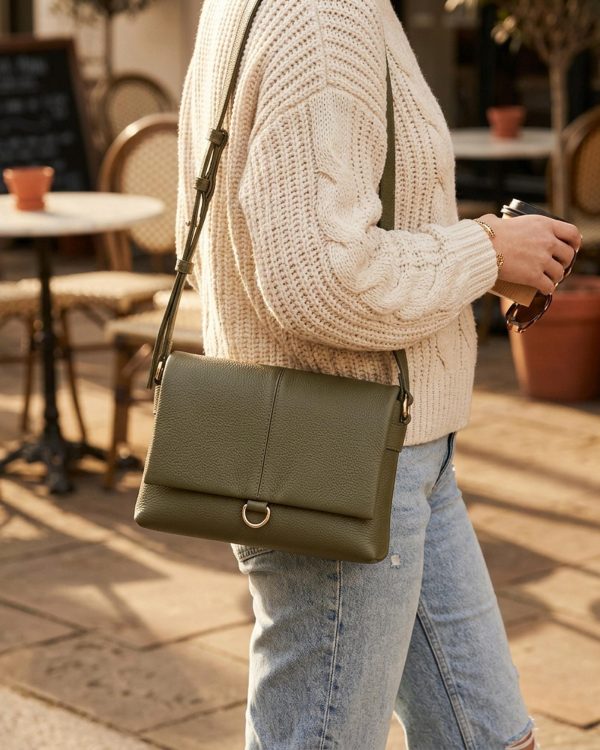
Crossbody & Sling Bags
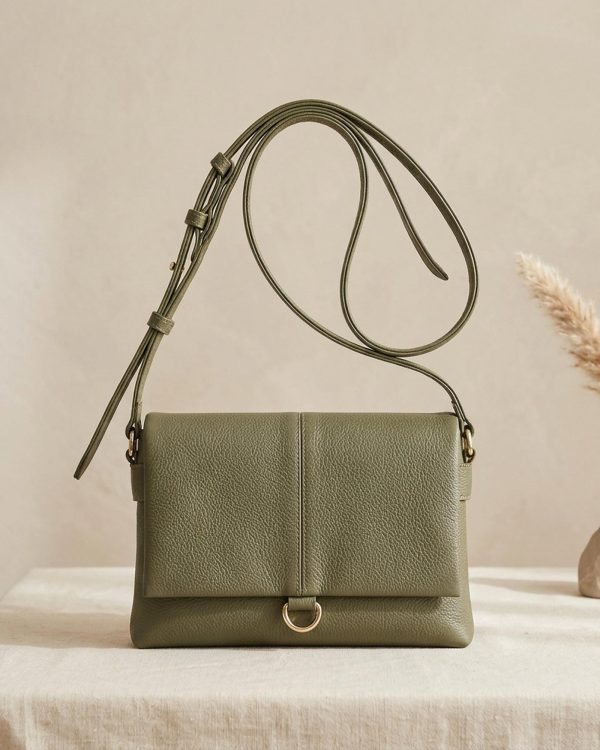
Olive Green Pebbled Leather Crossbody Bag, Minimalist Flap
- Olive Green
-
-
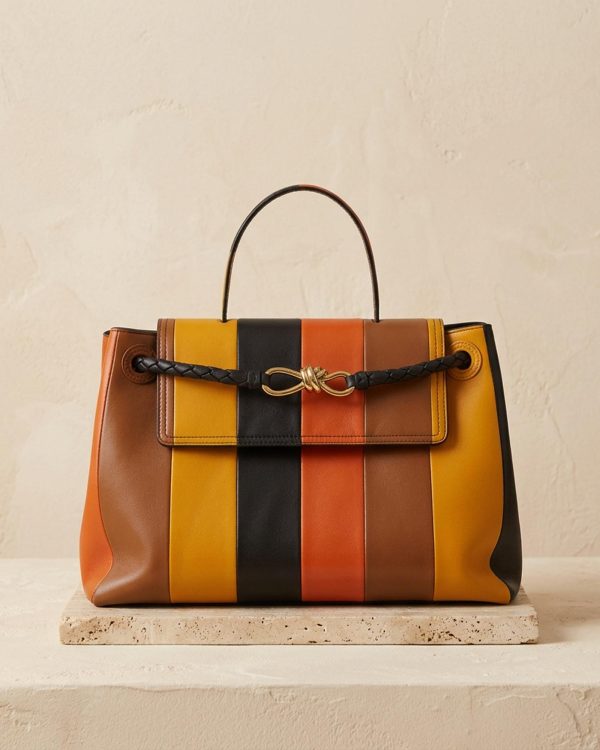
Totes & Handbags
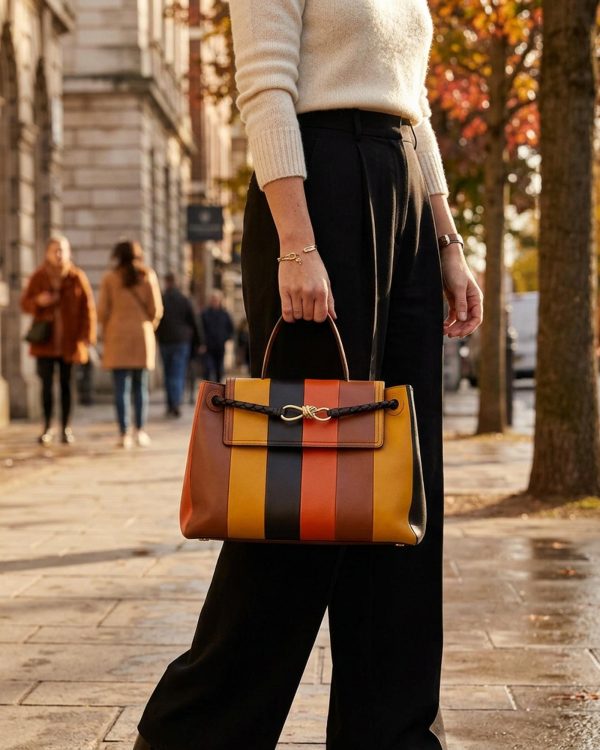
Striped Leather Handbag, Color Block Top Handle Satchel
- Cognac Brown
-
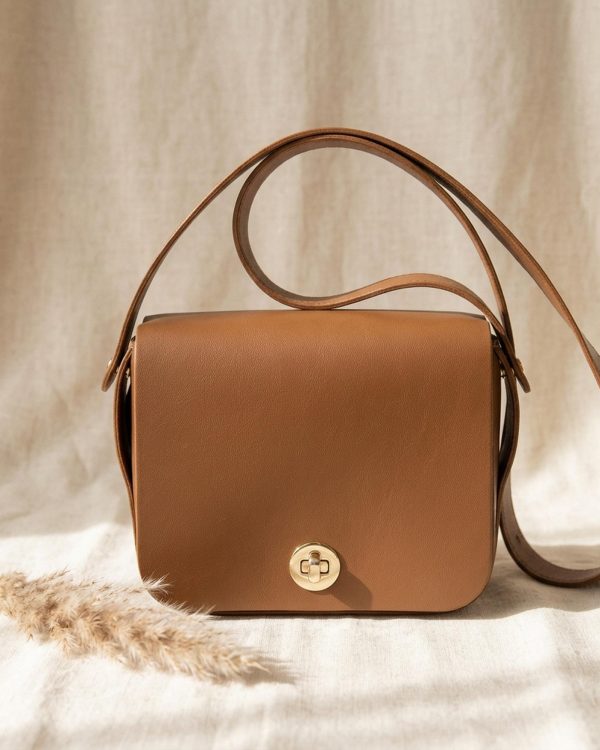
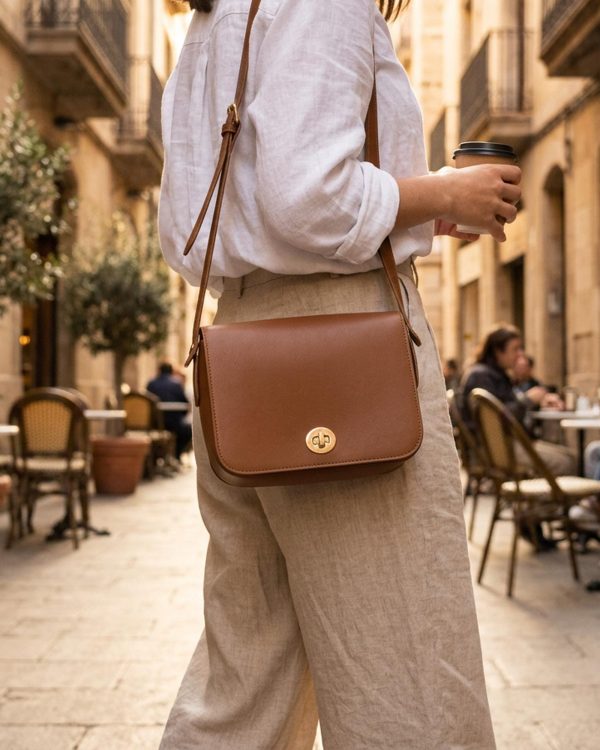
Crossbody & Sling Bags
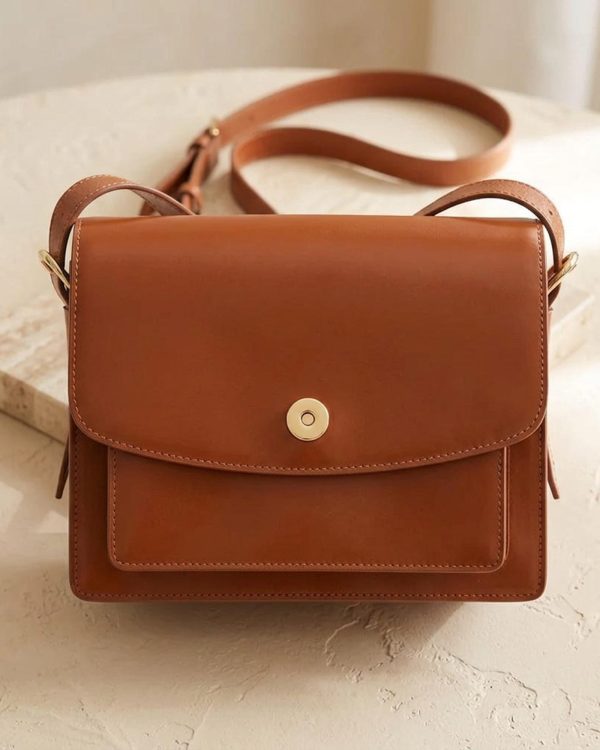
Cognac Tan Leather Saddle Bag, Crossbody Purse
- Cognac Tan

1 comment